No products in the cart.

Buy .380 ACP (.380 Auto) online
Price range: $400.00 through $2,000.00
Buy .380 ACP (.380 Auto) online from Ammo Plug. We provide reliable, discreet access to .380 ACP ammunition perfect for concealed carry and compact pistols, with no license required and worldwide shipping. Choose from trusted FMJ training rounds and premium JHP defensive loads that deliver consistent performance, reliable expansion, and adequate penetration even from short barrels. Enjoy 1–2 day overnight discreet delivery in the USA and Canada or 3–5 days internationally, full tracking, multiple secure payment methods including Bitcoin and Zelle, plus our 30-day full refund or replacement guarantee. We prioritize 100% customer satisfaction through privacy-focused service, fast processing, and dependable support for all your .380 needs.
GET 10% DISCOUNT FOR ORDERS PAID VIA BITCOIN(BTC) OR USDT: USE CODE: “CRYPTO”
90 grains (1000)Rounds
$400.00
90 grains (2000)Rounds
$700.00
90 grains (5000)Rounds
$1,700.00
95 grains (1000)Rounds
$450.00
95 grains (2000)Rounds
$800.00
95 grains (5000)Rounds
$1,800.00
100 grains (1000)Rounds
$500.00
100 grains (2000)Rounds
$900.00
100 grains (5000)Rounds
$2,000.00
WE'RE A TEAM OF DEDICATED EXPERTS THAT OPERATE WITH 100% DISCRETION FROM DISCREET PACKAGING TO DELIVERY. THROUGH OUR TRUSTED CONNECTIONS WITH MAJOR CARRIERS, YOUR PACKAGE IS FULLY PROTECTED THROUGHOUT THE SHIPPING PROCESS AND GUARANTEED TO ARRIVE SAFELY EVERY TIME. TO MAINTAIN THIS HIGH LEVEL OF SERVICE AND SECURITY, WE ONLY SHIP THE MINIMUM ORDER QUANTITIES LISTED ABOVE.
Description
Where to buy .380 ACP (.380 Auto) Online
We make it simple and secure to get .380 ACP ammunition when you need it, focusing on privacy and fast delivery.
- We offer a wide selection of .380 ACP rounds from trusted manufacturers, including full metal jacket for range practice and jacketed hollow point for personal protection.
- Our platform allows easy browsing of available stock without requiring background checks or licenses in many locations.
- We prioritize discreet packaging so your order arrives privately at your doorstep.
- Worldwide delivery options ensure access even for international customers seeking this popular compact pistol caliber.
- We handle orders quickly with manual payment confirmation steps to keep everything secure and straightforward.
- Our system provides a tracking number immediately after shipment so you can monitor progress.
- We stand behind every purchase with a 30-day full refund or replacement policy if anything is not right.
- Customer satisfaction remains our top focus through reliable service and responsive support for all inquiries.
How to order .380 ACP (.380 Auto) Online
Ordering .380 ACP from us follows a clear, user-friendly process designed for convenience and security.
- Browse our selection of .380 ACP ammunition to find the type and quantity that fits your needs, such as FMJ or JHP loads.
- Add your chosen items to the cart with simple clicks for a smooth shopping experience.
- Proceed to checkout where we guide you through the secure steps without unnecessary complications.
- Select your preferred manual payment method from options like Bitcoin, bank transfer, Zelle, CashApp, or Western Union.
- Complete payment and wait for our confirmation, which happens promptly once we verify.
- Receive your order confirmation with details and tracking information as soon as we process shipment.
- Track your package discreetly and expect fast arrival, typically overnight within the USA and Canada.
- Contact us anytime if you need assistance during or after the process for complete peace of mind.
Why choose Ammo Plug
We stand out as the most reliable online source for .380 ACP and other ammunition by focusing on privacy, speed, and trust.
- We deliver discreetly worldwide with packaging that protects your privacy at every step.
- No license is required for our customers, making access straightforward and hassle-free.
- We provide overnight discreet delivery within the USA and Canada for the fastest possible service.
- International orders ship in 3 to 5 days with the same attention to discretion and reliability.
- Our multiple payment options, including Bitcoin and Zelle, offer flexibility and security without credit cards.
- We include a tracking number with every order so you always know the status of your shipment.
- Our 30-day full refund or replacement policy ensures you’re completely satisfied or protected.
- We maintain 100% customer satisfaction focus through dependable service and clear communication.
Shipping Policy
We handle shipping for .380 ACP with speed, discretion, and reliability to meet your expectations.
- We offer 1 to 2 days overnight discreet delivery for orders within the USA and Canada.
- International shipping typically arrives in 3 to 5 business days with full tracking provided.
- All packages use plain, unmarked packaging to maintain complete privacy.
- We ship only after payment confirmation to ensure secure and accurate processing.
- Tracking numbers are sent immediately upon shipment for real-time monitoring.
- We prioritize safe handling to prevent damage during transit for all ammunition orders.
- Our policy includes full support if any delivery issues arise for quick resolution.
- We aim for 100% customer satisfaction with every shipment through reliable carriers.
Product specification table
| Specification | Details |
|---|---|
| Caliber | .380 ACP (also known as .380 Auto or 9×17mm) |
| Bullet Diameter | 0.355 inches (9 mm) |
| Common Bullet Weights | 85 grains, 90 grains, 95 grains, 100 grains (most popular 90-95 gr) |
| Typical Muzzle Velocity | 900-1,050 fps (depending on load and barrel length) |
| Typical Muzzle Energy | 180-220 ft-lbs (standard loads around 200 ft-lbs) |
| Case Length | 0.680 inches (17.3 mm) |
| Overall Length | 0.984 inches (25.0 mm) |
| Primer Type | Small pistol |
| Maximum Pressure (SAAMI) | 21,500 psi |
| Common Bullet Types | FMJ (full metal jacket) for training, JHP (jacketed hollow point) for defense, +P loads available for higher performance |
| Primary Uses | Concealed carry, pocket pistols, self-defense in compact firearms |
| Penetration (typical) | 9-15 inches in ballistic gel (varies by load) |
| Expansion (JHP loads) | 0.40-0.50 inches (modern designs improve reliability) |
Product comparison table
| Feature | .380 ACP (.380 Auto) | 9mm Luger |
|---|---|---|
| Bullet Diameter | 0.355 inches | 0.355 inches |
| Common Bullet Weight | 85-100 grains | 115-147 grains |
| Typical Muzzle Velocity | 900-1,050 fps | 1,100-1,250 fps |
| Typical Muzzle Energy | 180-220 ft-lbs | 300-400 ft-lbs |
| Recoil Level | Low to moderate (easier to control) | Moderate (noticeably higher) |
| Best For | Compact concealed carry pistols | Full-size duty and carry pistols |
| Penetration (avg gel) | 10-14 inches | 15-20 inches |
| Power Comparison | Lower energy, suitable minimum defense | Higher energy, preferred for stopping |
| Concealability | Excellent in small guns | Good, but requires larger frames |
Buy .380 ACP (.380 Auto) online
The .380 ACP is a popular concealed carry caliber known for its manageable recoil and reliable performance in compact pistols. Customers who buy 380 ACP online often look for other small to medium defensive calibers. A recommended pairing is to buy 9mm Luger online for increased capacity and power in slightly larger handguns.
Many also buy 32 ACP online for even smaller pocket pistols with lighter recoil. For more stopping power, buy 40 SW online offers a strong balance of size and performance.
Additional information
| Select Qty | 90 grains (1000)Rounds, 90 grains (2000)Rounds, 90 grains (5000)Rounds, 95 grains (1000)Rounds, 95 grains (2000)Rounds, 95 grains (5000)Rounds, 100 grains (1000)Rounds, 100 grains (2000)Rounds, 100 grains (5000)Rounds |
|---|
Related products
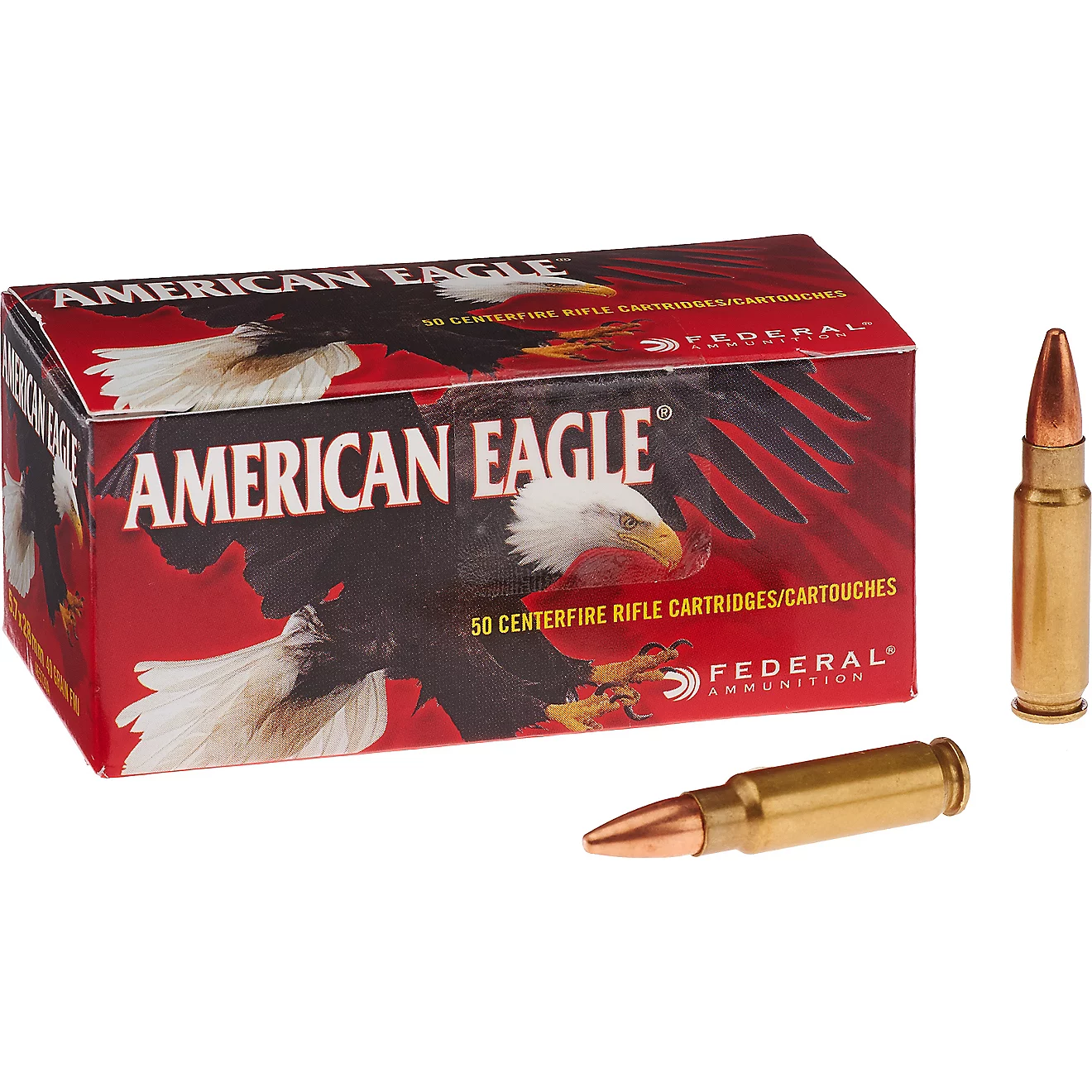
Buy 5.7x28mm online
Buy 5.7x28mm online from Ammo Plug for reliable, discreet access to this high-velocity, low-recoil cartridge perfect for the FN Five-seveN, Ruger-57, PS90, and similar platforms. Enjoy flat trajectories, excellent accuracy, reduced overpenetration, and high magazine capacity ideal for self-defense, target shooting, varmint control, and range practice. We offer worldwide discreet delivery—no license required—with overnight shipping in 1–2 days across the USA and Canada, or 3–5 days internationally. Choose secure payments via Bitcoin, bank transfer, Zelle, CashApp, or Western Union, plus every order includes tracking and our 30-day full refund or replacement guarantee for complete customer satisfaction and privacy.
Price range: $1,000.00 through $4,200.00Select options This product has multiple variants. The options may be chosen on the product pageBuy .357 SIG online
Buy .357 SIG online from Ammo Plug. We deliver reliable, discreet access to this high-velocity handgun cartridge worldwide with no license required. Enjoy overnight shipping (1-2 days) in the USA and Canada or 3-5 days internationally, complete with full tracking and discreet packaging for maximum privacy. Choose secure payments via Bitcoin, bank transfer, Zelle, CashApp, or Western Union—no credit cards accepted. Every order includes our 30-day full refund or replacement guarantee and a focus on 100% customer satisfaction. From self-defense JHP to practice FMJ loads, we make obtaining powerful .357 SIG ammunition simple, fast, and completely private.
Price range: $800.00 through $3,600.00Select options This product has multiple variants. The options may be chosen on the product pageBuy .25 ACP online
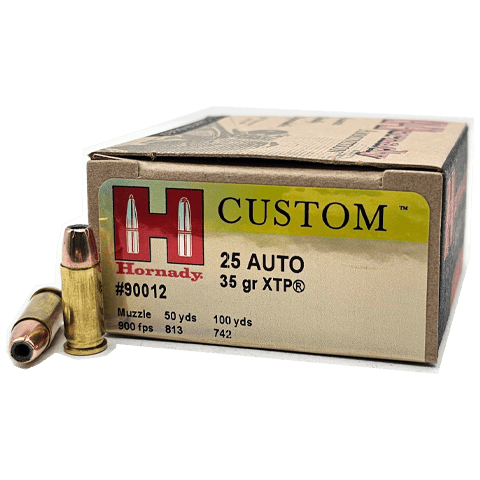
Buy .25 ACP online from Ammo Plug. We deliver reliable access to this classic pocket pistol caliber with discreet worldwide shipping and no license required. Enjoy overnight delivery in the USA and Canada or 3-5 business days internationally, protected by plain packaging for complete privacy. We accept secure payments through Bitcoin, bank transfer, Zelle, CashApp, or Western Union, and include tracking numbers with every order. Our 30-day full refund or replacement policy, combined with a focus on 100% customer satisfaction, ensures confidence when ordering .25 ACP ammunition for vintage firearms, collectors, or deep-concealment needs. Experience fast, private, and dependable service tailored to your requirements.
Price range: $750.00 through $3,300.00Select options This product has multiple variants. The options may be chosen on the product pageBuy .38 Special online
Buy .38 Special online from Ammo Plug. We provide reliable, discreet access to .38 Special ammunition with worldwide delivery, no license required, and fast overnight shipping options within the USA and Canada (1-2 days) or international (3-5 days). Enjoy secure payments through Bitcoin, bank transfer, Zelle, CashApp, or Western Union, plus every order includes a tracking number and our 30-day full refund or replacement guarantee. We focus on 100% customer satisfaction with plain packaging for complete privacy, a wide selection of FMJ, JHP, and other loads, and straightforward ordering from browsing to discreet delivery. Trust Ammo Plug for dependable .38 Special service tailored to your needs.
Price range: $450.00 through $2,100.00Select options This product has multiple variants. The options may be chosen on the product page